How to manage stress during exam periods – practical tips
For many students, exam periods are among the most stressful parts of the academic year. Stress during this period is a natural reaction to increased pressure, but it can be managed. That is why, as part of our advice on effective learning, we offer practical tips on how to cope better with stress during exam periods.
The tips are divided into three parts: how to prepare for an exam and prevent stress, how to manage stress on the day of the exam, and how to deal with stress after the exam.
Wishing you lots of energy, peace of mind, and success in getting through the exam period.
HOW TO PREPARE FOR AN EXAM AND PREVENT STRESS:

MAKE SURE YOU KNOW WHAT THE EXAM LOOKS LIKE
- Find out what topics and how much material will be covered in the exam – check the syllabus and materials provided by the teacher.
- If you don't understand something or are unsure, ask your teacher in advance.
- Before you ask, read the available information – often the answer is already there.
- → When you know what to prepare for, the exam seems less stressful and more manageable.
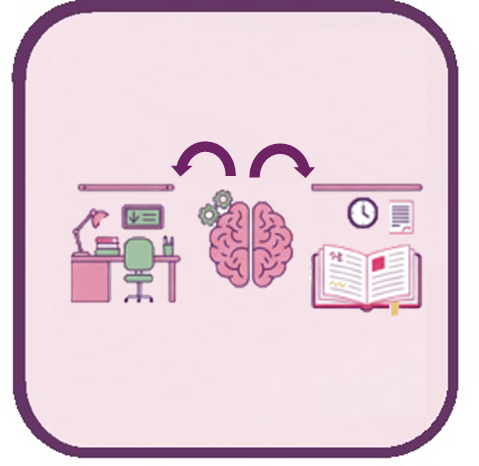
STUDY IN CONDITIONS SIMILAR TO THOSE IN THE EXAM ROOM
- Try to study in an environment that is as similar as possible to the room where you will be taking the exam (e.g., a quiet room, sitting at a desk).
- → Memory works better when we study and respond in similar conditions — both the environment and physical condition play a role.
- If you study with coffee or another stimulating drink, the same amount can also help on exam day.
- → Knowing that you are using proven learning strategies can reduce stress and increase your confidence.
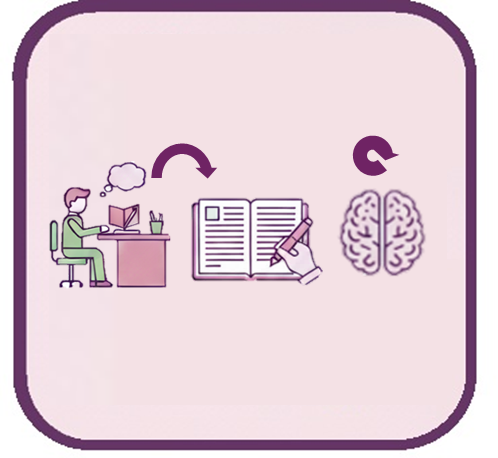
TAKE NOTES AND PAY ATTENTION DURING CLASSES
- Don't rely solely on your memory or textbook – write down the main ideas and explanations given by your teacher.
- Focus on key concepts and connections, not on word-for-word transcription of sentences.
- Regular notes will help you better understand the material and increase your confidence.
- → If you review them every week, the information will be stored better in your long-term memory and you will feel less stressed during the exam.
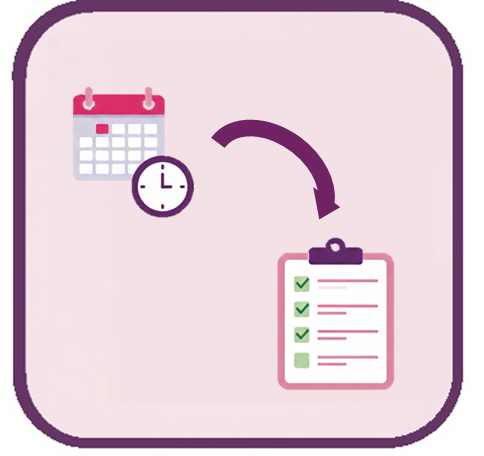
MANAGE YOUR TIME WISELY
- Don't leave everything to the last minute – break your studying down into smaller chunks over several days or weeks.
- Regular studying in shorter blocks helps you remember better and reduces stress.
- If possible, study at the same time of day as you will be taking the exam.
- → This way, your body and mind will get used to a similar routine
and you will feel more confident on the day of the exam.
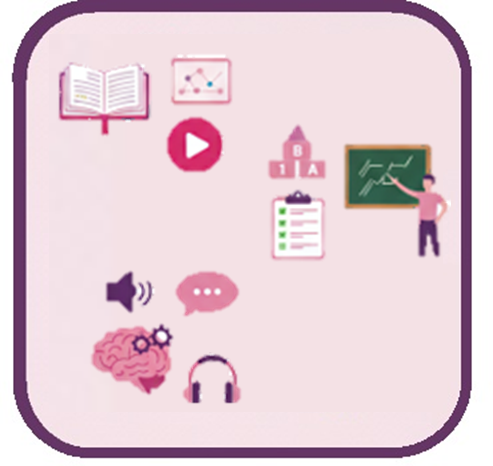
FIND OUT WHAT YOUR LEARNING STYLE IS
- Think about how you learn most effectively — by reading, listening, watching videos, or trying things out.
- Notice what helps you remember the course material faster and with less stress.
- Take a short learning style test to help you better understand your strengths in learning.
- → Combining different learning methods often leads to better results and greater confidence before an exam.
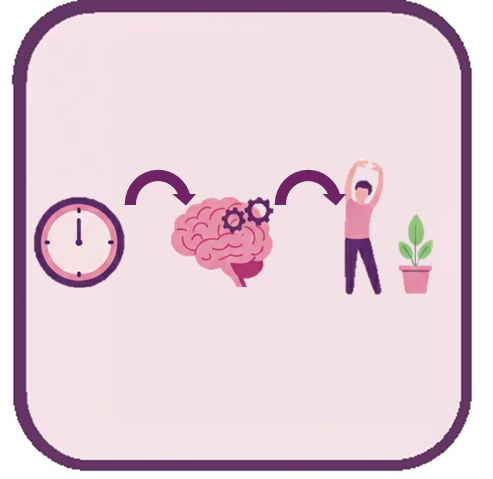
TAKE FREQUENT BREAKS
- Take regular and frequent breaks – don't try to study for hours on end without stopping.
- Focus on one task for a maximum of 45 minutes.
- → Taking breaks protects your ability to process data, because focusing on one thing for too long dulls your attention.
- → Short breaks keep your mind fresh and prevent fatigue from overload with the same information.
DRINK ENOUGH FLUIDS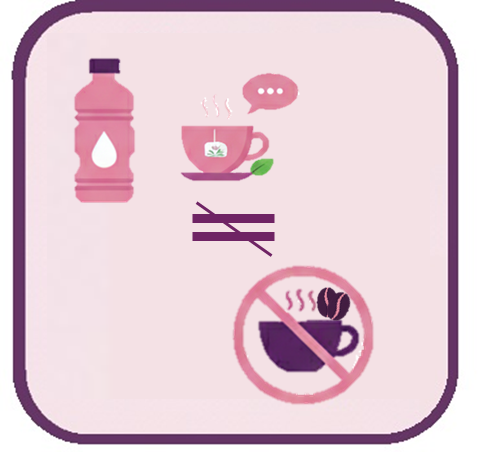
- Stay hydrated and drink plenty of plain water.
- Monitor your caffeine intake.
- Replace coffee with herbal tea, such as mint or chamomile, which will hydrate you and calm your mind at the same time.
- → Insufficient fluid intake can make you feel tired and stressed.
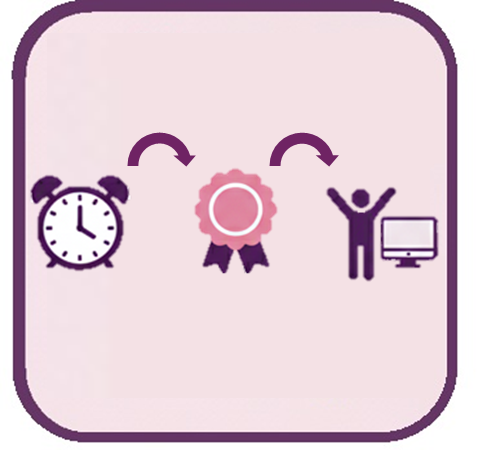
REWARD YOURSELF FOR YOUR ACHIEVEMENTS, NO MATTER HOW SMALL THEY MAY BE
- Reward yourself even for small achievements.
- Use the "carrot and stick" principle – after an hour of honest studying, treat yourself to 20 minutes on the internet or watch an episode of your favorite TV series.
- → A short reward serves as a suitable motivational tool.
- → A break with your favorite activity will relieve you of stressful thoughts and allow your mind to "filter out" the pressure of the exam.
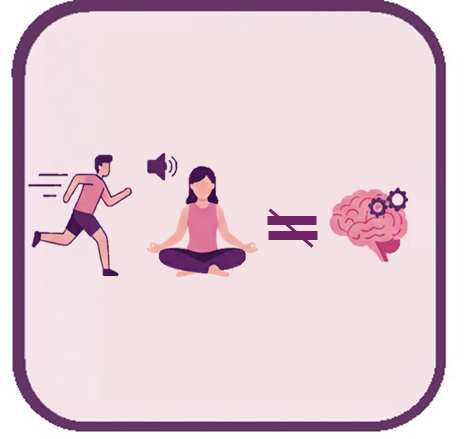
EXERCISE
- Include regular exercise such as running or going to the gym
- → Exercise will help you effectively release accumulated stress.
- After dynamic exercise, try meditation or yoga to calm your mind and ready yourself to concentrate again.
- → The combination of motivational music and sport will restore your energy.
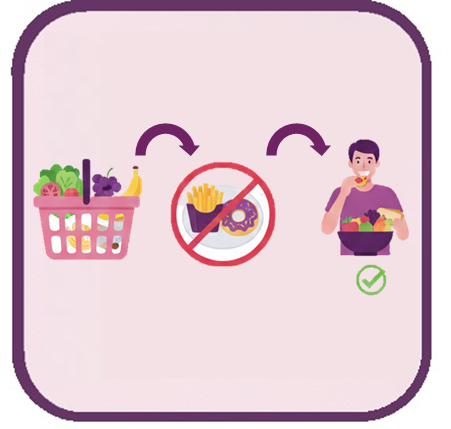
EAT REGULARLY AND IN A BALANCED WAY
- Have a healthy and balanced diet.
- → Good food directly affects your performance, while unhealthy foods increase feelings of stress and discomfort.
- Avoid processed foods and excessive amounts of sugar.
- → Vary your diet to provide your body with all the essential nutrients – try eating lean meat, nuts, fruit, and vegetables.
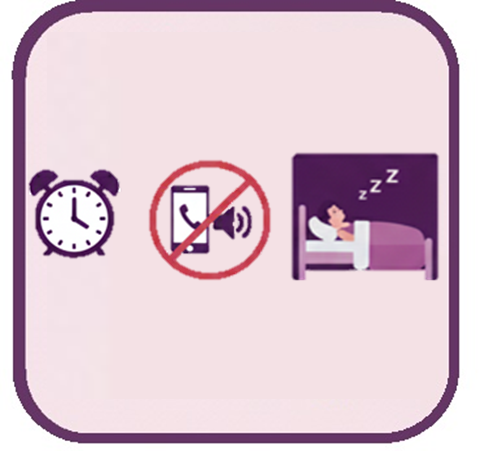
ALLOW YOURSELF REGULAR AND QUALITY REST
- Get enough sleep every night.
- → Fatigue significantly increases feelings of stress, anxiety, and exhaustion.
- Create and stick to a regular sleep routine and ensure you have the ideal sleeping environment: keep your room completely dark.
- → Thanks to a stable routine, you will wake up refreshed, which will allow you to learn much more effectively than after a sleepless night.
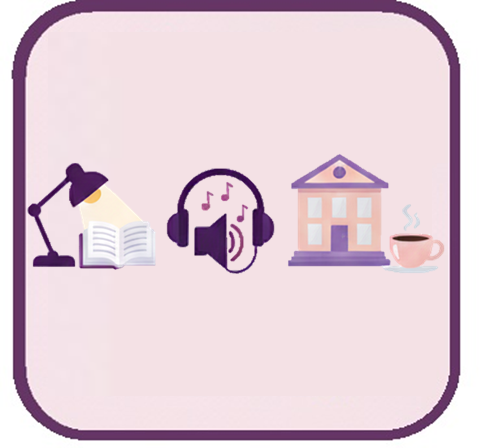
FIND OUT WHERE YOU STUDY BEST
- Find the most suitable environment for you and adapt it so that you feel as relaxed as possible while studying.
- Experiment with lighting, noise, and the arrangement of your belongings.
- → A customized study space increases your efficiency because your brain will not be distracted by discomfort or inappropriate stimuli.
- Change your environment from time to time and go to a library or café; a change of location will give you a new perspective on the course material and refresh your mind.
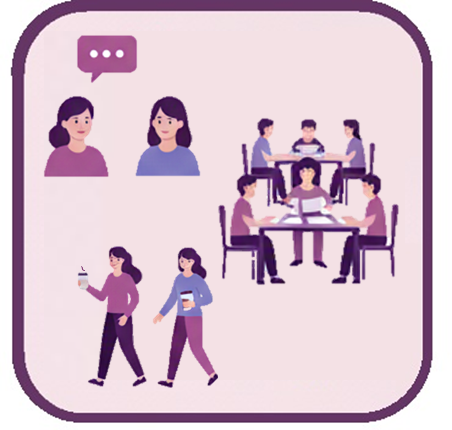
SOCIALIZE
- Keep in touch with your loved ones and friends; socializing is key to mental health and well-being.
- Use your time with peers productively – learning together or explaining the course material to others will strengthen your own knowledge and self-confidence.
- → Socializing helps prevent burnout and significantly improves your mood.
- Short, planned breaks with people will refresh you, and you will return to your studies with a fresher mind.
HOW TO MANAGE STRESS ON THE DAY OF THE EXAM:
BEFORE THE EXAM
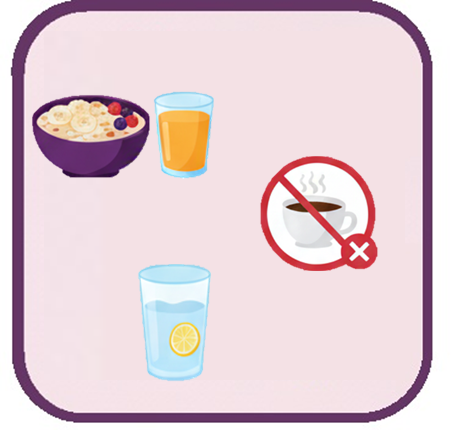
EAT A PROPER AND BALANCED BREAKFAST. STICK TO YOUR DRINKING REGIME.
MONITOR YOUR CAFFEINE INTAKE.
- Treat yourself to a nutritious breakfast with gradual energy release, such as eggs or oatmeal, to avoid a sudden drop in energy.
- Stay hydrated and drink plenty of water — dehydration slows down brain activity and reduces your ability to think clearly.
- Watch your caffeine intake and don't change your habits abruptly - this will help you avoid increased anxiety or withdrawal symptoms.
- → A proper diet and drinking regime will stabilize your mental state, allowing you to handle stressful situations during the test far more calmly.
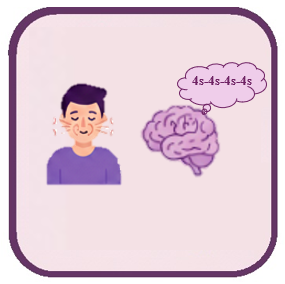
PRACTICE BREATHING TECHNIQUES
- Don't forget to breathe and try conscious breathing - close your eyes, take three deep breaths and exhale slowly.
- Use the "square breathing" technique - breathe in for 4 seconds, hold your breath for 4 seconds, breathe out for 4 seconds and hold again for 4 seconds.
- → Deep breathing immediately calms your body, releases tension, and increases oxygen flow to the brain, which helps you think better.
- → Use this method before and during the test, especially if you encounter a difficult question that might cause panic.
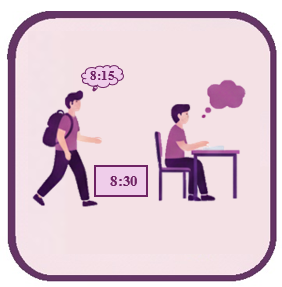
ARRIVE FOR AN EXAM SOONER RATHER THAN LATER
- Arrive at the exam well in advance – you will avoid unnecessary stress from being late.
- By arriving early, you can choose the seat where you feel most comfortable.
- → A calm arrival eliminates unnecessary panic, so your mind stays focused on the test content, not on the clock.
- → Early preparation in the classroom allows you to settle in, catch your breath, and mentally prepare for the test before it begins.
DURING THE EXAM
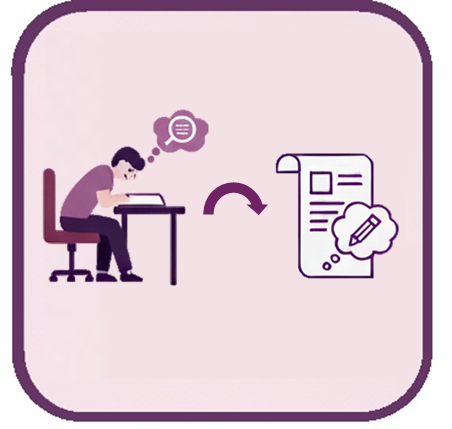
READ THE INSTRUCTIONS CAREFULLY AND THINK ABOUT YOUR ANSWERS
- Read the test instructions carefully.
- Quickly review the entire test and plan your time so that you have a rough idea of how much time you can devote to each question.
- → A clear plan reduces feelings of uncertainty and stress.
- → Understanding the task will save you from making unnecessary mistakes that can arise from inattention or misinterpretation of instructions.
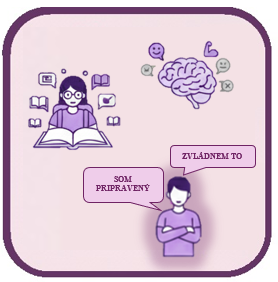
TRUST YOURSELF
- Trust yourself and the effort you have put into your preparation.
- Replace negative thoughts with realistic ones – instead of scenarios of failure, remind yourself of everything you have already learned successfully.
- → Awareness of your own level of preparation is the best cure for anxiety.
- → Self-confidence will allow you to approach the exam in a calm manner, which will improve your ability to recall information.
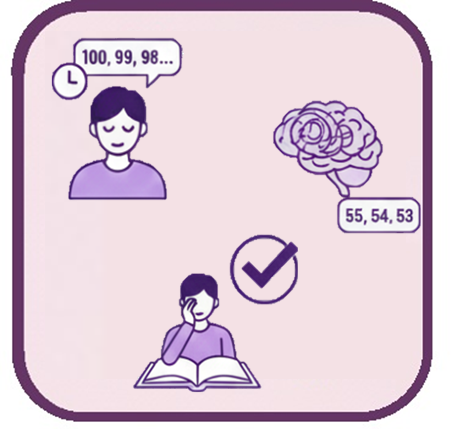
COUNT FROM 100 TO 1
- Count down from 100 in your mind to calm your mind.
- Count slowly and with focus, consciously synchronizing each number with one calm and steady breath.
- → This technique will "ground" you in the present moment, helping you regain lost control and emotional balance.
- → In this way, you consciously shift activity from your emotional centres to your cognitive centres, allowing you to think logically and recall learned knowledge even in a state of acute stress.
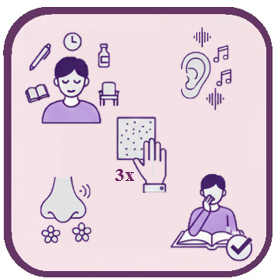
USE GROUNDING METHOD 5...4...3...2...1...
- Use the five senses technique, where you gradually name 5 things you see, 4 you hear, 3 you can touch, 2 you can smell, and 1 you can taste.
- Focus on physical sensations and details, such as the texture of your clothes or quiet sounds around you.
- → This exercise immediately calms your nervous system because it brings your mind back from anxious thoughts to the present moment.
- → Grounding helps you regain lost stability.
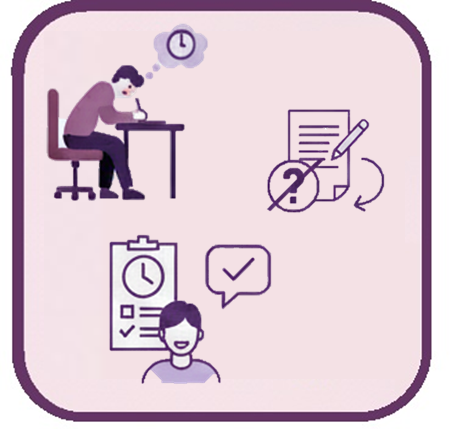
DON'T RUSH
- Don't rush and proceed carefully throughout the test.
- If you get stuck on a particular task, don't let it throw you off balance, move on to the next tasks and don't waste time unnecessarily.
- Use the strategy of skipping difficult tasks, if the structure of the test allows it, and return to them at the end, after solving the easier ones.
- Keep track of time and set aside the last 5 to 10 minutes for checking, so you can correct mistakes and complete answers to questions you previously skipped.
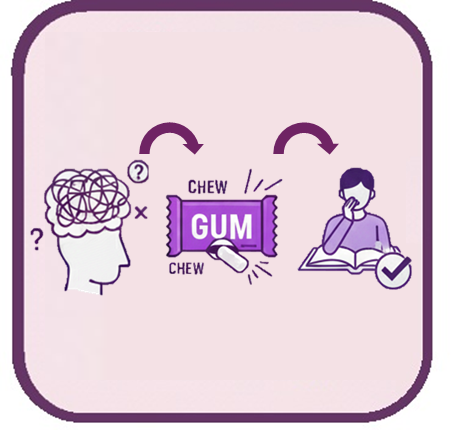
CHEW GUM
- Chewing gum helps reduce anxiety because it keeps your mouth busy and serves as a physical outlet for accumulated tension.
- → This simple motion has a calming effect on the brain.
- → Chewing can stimulate cognitive function, promoting alertness and improving your ability to concentrate on tasks.
- This rhythmic motion signals a sense of safety to your body, which lowers levels of the stress hormone cortisol and helps you keep a cool head.
HOW TO DEAL WITH STRESS AFTER THE EXAM:
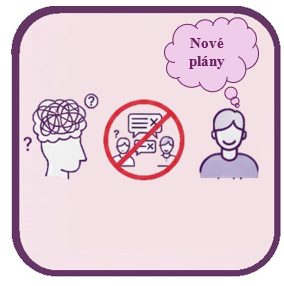
DON'T THINK ABOUT THE EXAM
- Once you have handed in your test, don't think about it anymore. You can't influence the result at this point, and analyzing it afterwards will only increase your stress.
- Avoid comparing your answers with your classmates if you know that uncertainty about the correctness of your answers will unnecessarily worry you.
- Use the 'scheduled worry time' technique – set aside a limited amount of time to process your emotions, but after that time is up, intentionally switch to a different mode.
Focus your attention on your new plan and the activities that await you in the coming days to orient your mind toward the future instead of the past.
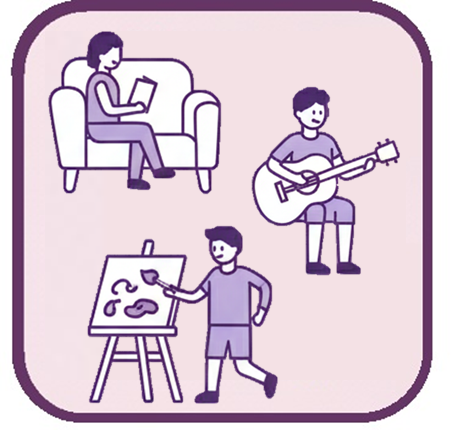
ENJOY YOUR FREE TIME
- Treat yourself to some quality relaxation time to completely unwind and clear your mind of all thoughts related to exams and studying.
- Engage in an activity that makes you lose track of time, such as watching a good movie, reading a book, or playing video games.
- If you can fully immerse yourself in movement and not perceive the outside world, take advantage of sports or physical activity.
- → Engaging in another activity serves as a mental reset that will help your brain recover from cognitive overload after a demanding performance.
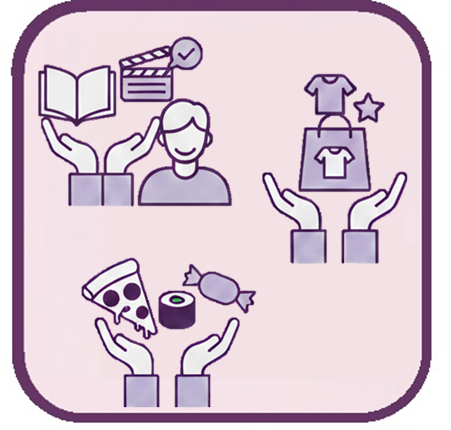
REWARD YOURSELF WITH SOMETHING
- Reward yourself for your efforts, whether it's pizza, sushi, your favourite sweet treat, buying something new for yourself, or a ticket to a cultural event.
- Celebrate the fact that you've made it through; exams are extremely stressful, and your body and mind deserve a moment of pure joy.
- → A short relaxation period is key to your recovery, so treat yourself to something that makes you happy before your attention shifts to other duties.
- → Positive motivation after performance will help you cope better with further preparation, as your brain will associate the challenging period with a positive outcome.
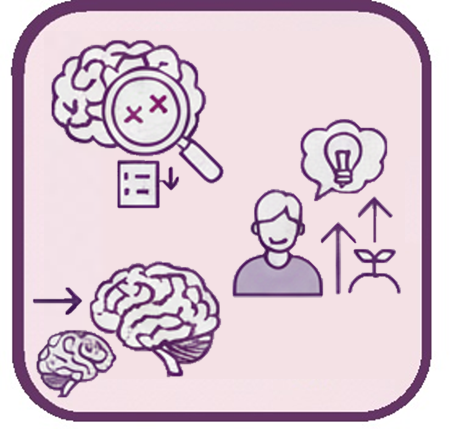
TAKE IT AS AN EXPERIENCE FROM WHICH YOU CAN LEARN
- See the exam as an opportunity to discover your strengths and weaknesses in a given discipline.
- View mistakes as constructive feedback, not a reason to stress — they will help you identify areas where you can improve.
- → Your performance during the exam does not define your value as a person; the result is only a momentary reflection of the knowledge tested.
- Stay calm even if you don't do as well as you hoped on the test, because even good students can have a bad day, and one grade does not determine your overall intelligence or abilities.