Prešov Became a Center for Research on the Rákóczi Era: International Conference Brought Together Historians from Seven Countries
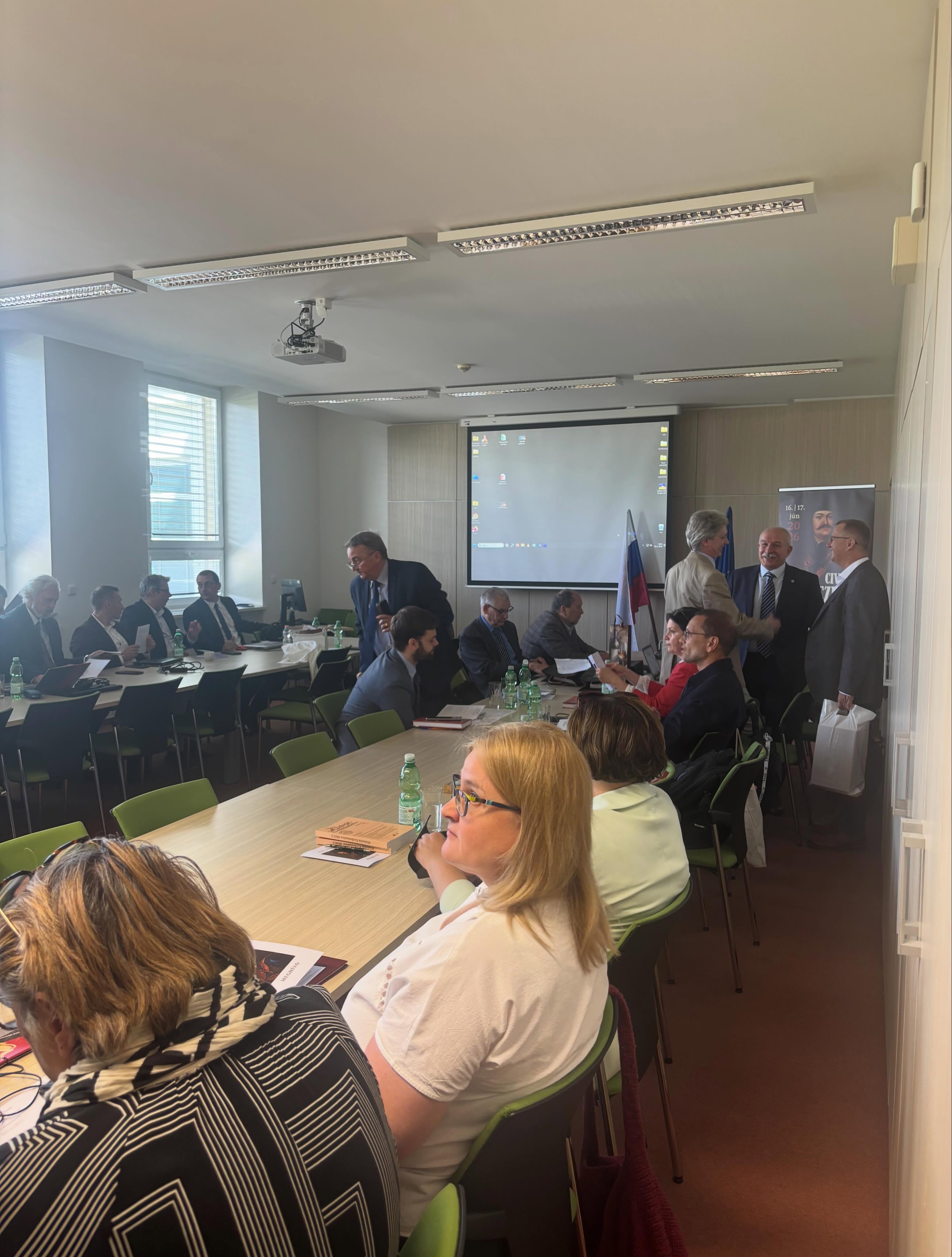
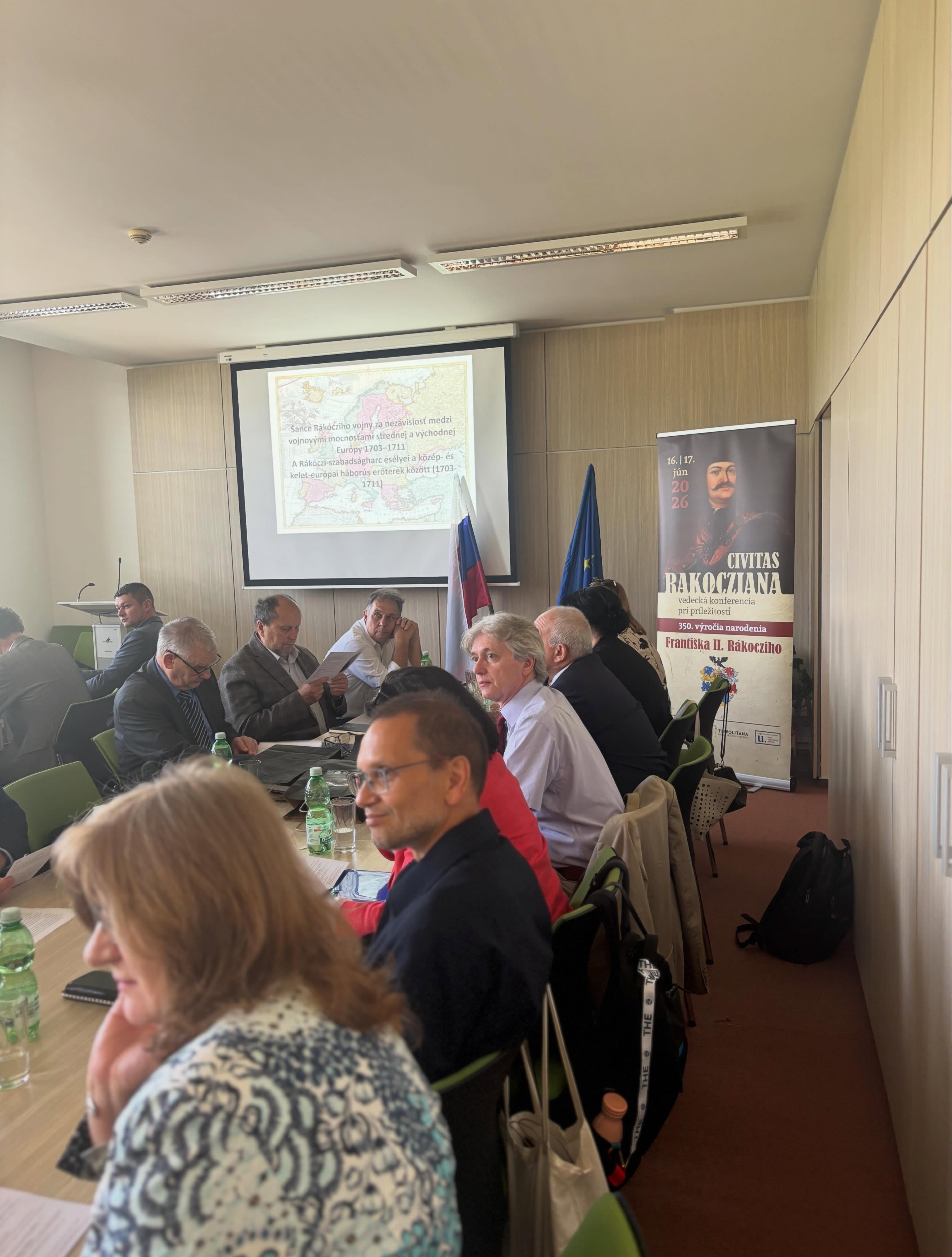
The University of Prešov hosted the significant international scientific conference Civitas Rakocziana, which, on the occasion of the 350th anniversary of the birth of Francis II Rákóczi, brought together leading historians, archivists, and cultural heritage experts from Slovakia, Hungary, the Czech Republic, Poland, Ukraine, and other Central European countries. The event was jointly organized by the University of Prešov, Károli Gáspár University of the Reformed Church in Hungary (Budapest), and the Regional Museum in Prešov.
The two-day conference featured more than forty scholarly presentations, offering new perspectives on the life and legacy of Francis II Rákóczi, his anti-Habsburg uprising, the political, religious, and social context of the early eighteenth century, as well as the enduring cultural significance of this prominent historical figure.
The conference was officially opened by the Rector of the University of Prešov, Dr. h. c. Prof. Peter Kónya, PhD., together with the Rector of the partner university in Budapest, Dr. László Trócsányi. The opening session focused on the international context of Rákóczi’s uprising, his diplomatic relations, and his position within Central European politics at the beginning of the eighteenth century.
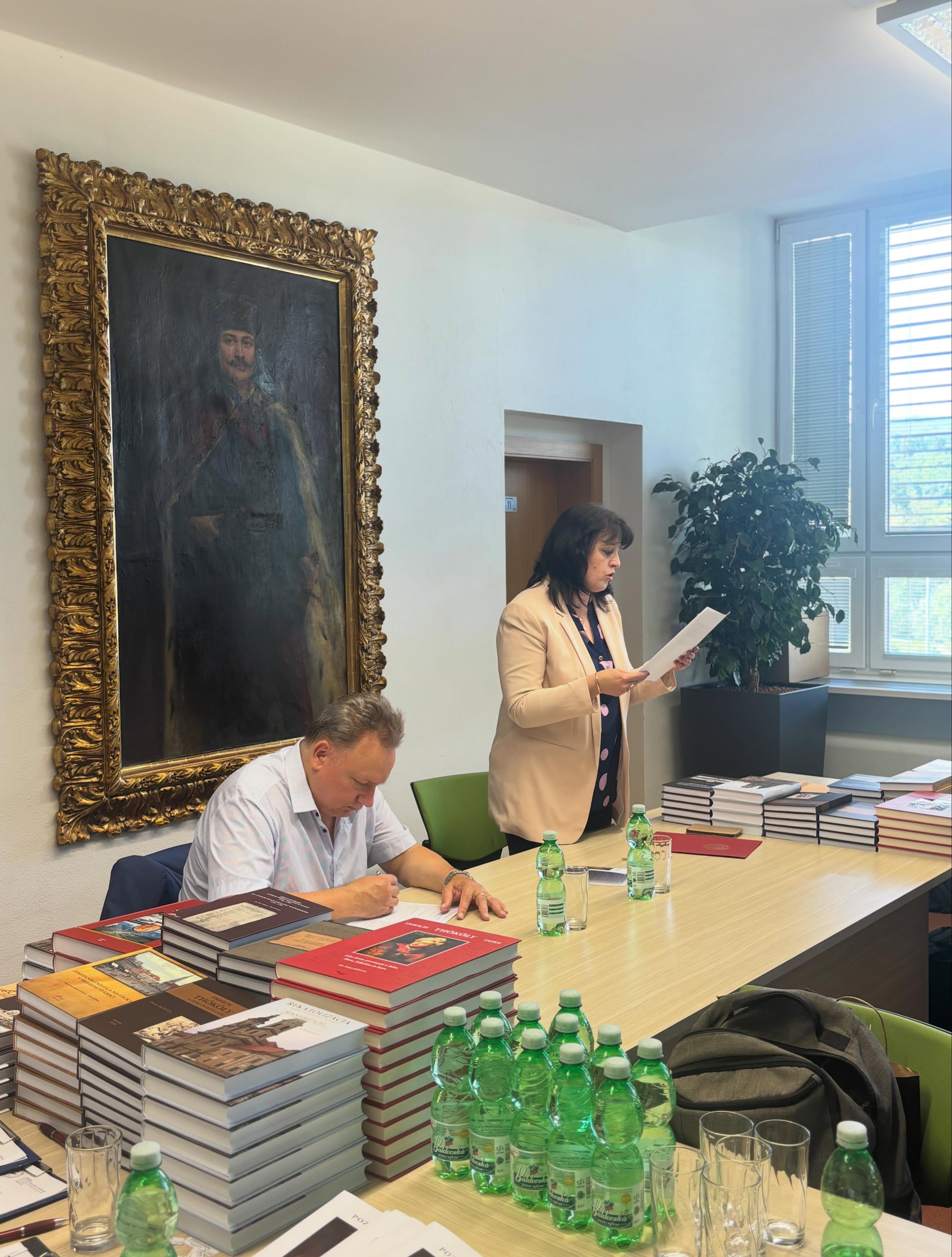
The University of Prešov also had a strong presence at the conference. Rector Peter Kónya presented research findings on the royal free towns and seigniorial towns of Upper Hungary during Rákóczi’s uprising. Associate Professor Miroslav Kamenický devoted his presentation to the figure of Ján Gottfried Hellenbach and his relationship to the uprising of Francis II Rákóczi.
The conference program was divided into several thematic sections. Historians discussed towns and their role during the uprising, key personalities of the period, religious conditions, church history, cultural memory, and representations of Rákóczi in historiography, literature, and tourism.
Special attention was also given to new research findings concerning archival documents, diplomatic relations, military history, archaeological sources, and the iconography of the Rákóczi era. Presenters introduced previously little-known documents, new interpretations of historical events, and the results of international research projects.
The conference also provided a platform for strengthening international scientific cooperation among universities, museums, and research institutions across Central Europe. Participants discussed future opportunities for joint research projects, publication activities, and the exchange of expertise in the study of regional history.
The event confirmed the University of Prešov’s role as a respected center of historical research and international academic cooperation. The organizers emphasized that exploring the shared history of Central European countries contributes not only to the advancement of historical scholarship but also to a deeper understanding of the region’s common cultural heritage.